
Serving Dundalk, Baltimore City, and Baltimore County
A chimney sweep removes the soot, ash, and creosote that build up inside your flue every time you burn. Anointed Chimney Sweeps handles chimney cleaning and inspection for homeowners in Dundalk, Baltimore, and Baltimore County, and we do it the way it should be done: drop cloths down, vacuum running, camera in the flue, and a clear explanation of what we found before we leave. We leave your floors spotless and answer every question before we pack up.
Chimney cleaning is only half the job. Most of the problems we find on a Dundalk chimney are not visible from the living room, so every sweep we perform includes a full visual and camera inspection of the system. We do not sweep blind and hand you an invoice.
Flue cleaning: Soot, ash, and creosote brushed and vacuumed out of the full length of the flue.
Smoke chamber and shelf: The area above the damper where buildup collects the fastest.
Firebox and damper: Cleaned out and checked for smooth operation.
Blockage removal: Bird and squirrel nests, leaves, and fallen masonry cleared out.
Full system inspection: Camera check of the liner, plus a roof-level look at the crown, cap, flashing, and mortar joints—with photos and video of anything that needs attention.
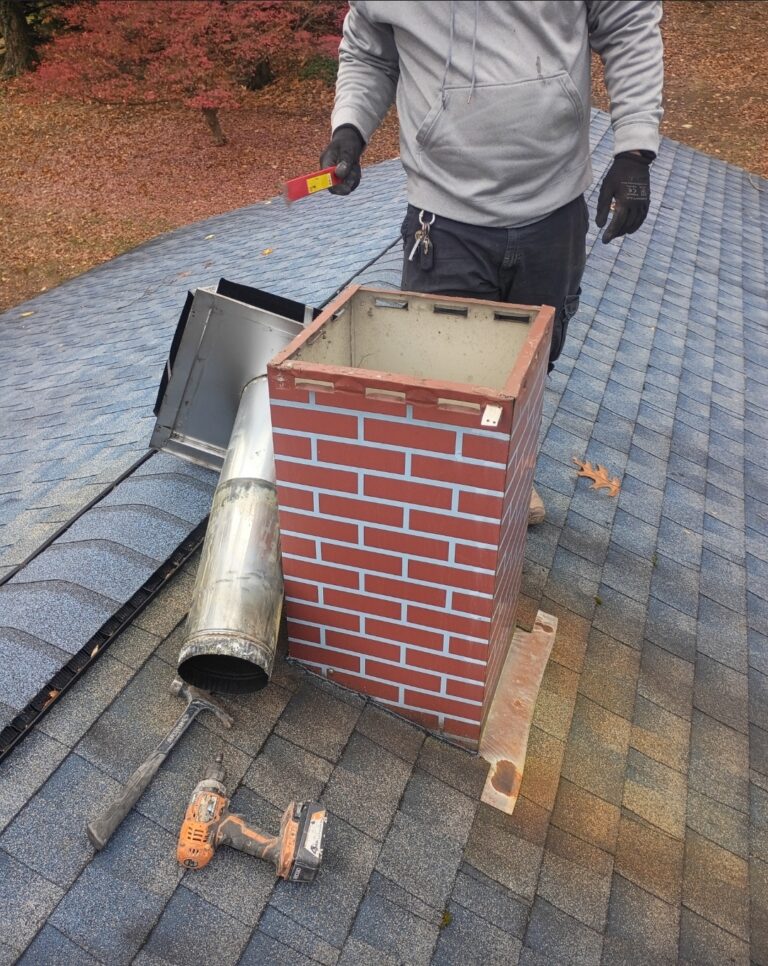
A standard sweep takes about an hour. All you need to do is keep the fire out for 24 hours beforehand:
Protect the room: Drop cloths go down over the hearth and flooring, with a sealed vacuum running at the fireplace opening before any brush goes in.
Sweep the flue: Brushes sized to your flue work top-down or bottom-up with continuous vacuum containment.
Clean the firebox and smoke chamber: We clear the heaviest buildup above and around the damper.
Inspect and photograph: Camera in the flue plus a roof check of the crown, cap, and flashing.
Review findings: We show you photos and video on the spot in plain language, along with a written recommendation if anything needs repair.
Clean up: The hearth is left cleaner than we found it.
Different heating systems build up different types of residue and require specialized brushes and techniques to clean safely without damaging liners or metal components.
For traditional brick fireplaces, we sweep the full flue, smoke chamber, smoke shelf, and firebox while inspecting the damper and firebrick. For prefabricated factory-built fireplaces, we use softer, manufacturer-safe brushes that protect metal components and verify proper clearances.
Inserts are the units homeowners most often skip because they look sealed and clean from the front. However, the liner behind the unit still fills with flammable creosote at the same rate. We pull the insert where access requires it and sweep both the connector pipe and the full liner run to the top.
Wood and pellet stove flues need sweeping at least once a year, and often mid-season if you burn daily through a Maryland winter—because stoves burn cooler and leave more creosote behind. We clean the stove pipe, connector joints, baffle area, firebox, and full chimney run while checking clearances.
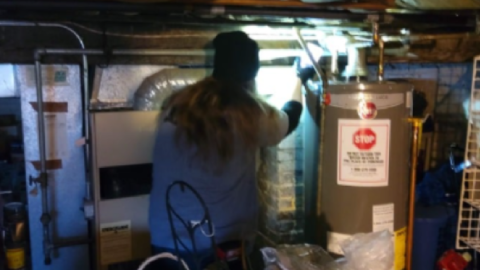
Gas and oil appliances vent into a chimney just like a fireplace and require annual checks even though they produce less visible soot. Oil heat leaves fine, acidic soot that eats away at masonry and liners, while gas produces water vapor that condenses inside cold flues and breaks down clay tile and mortar. Keeping furnace flues clear prevents dangerous carbon monoxide risks.
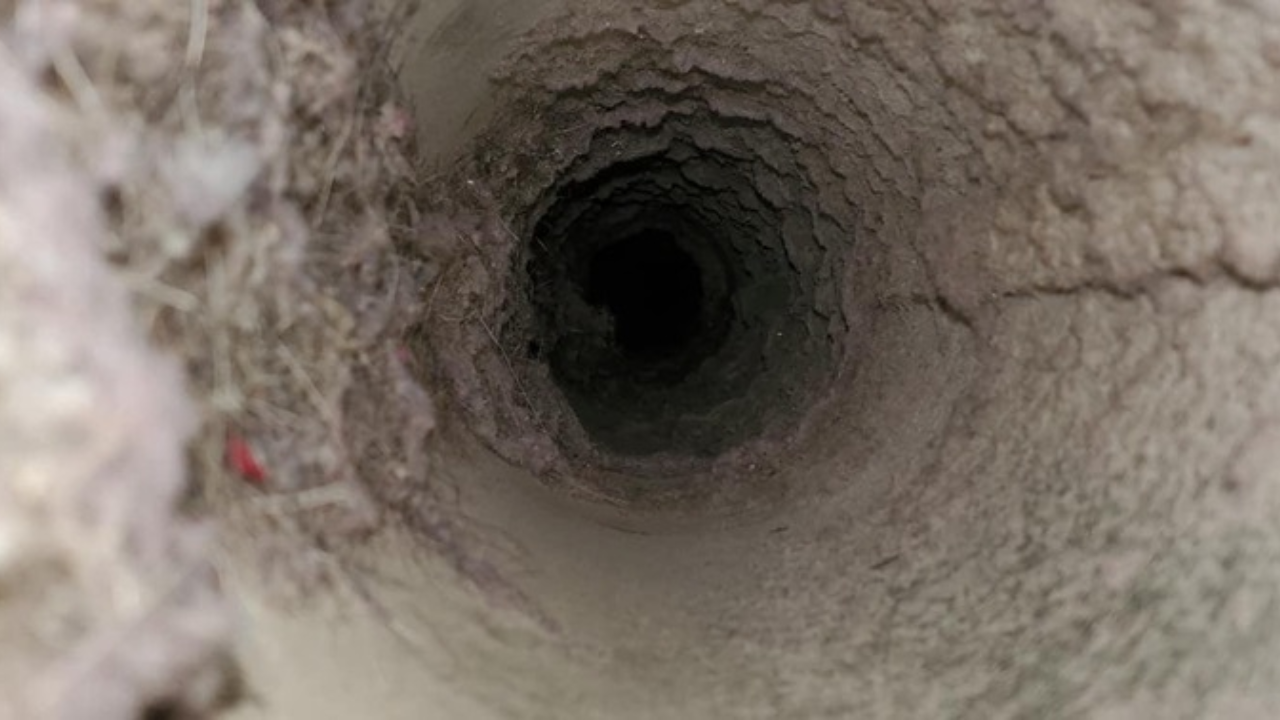
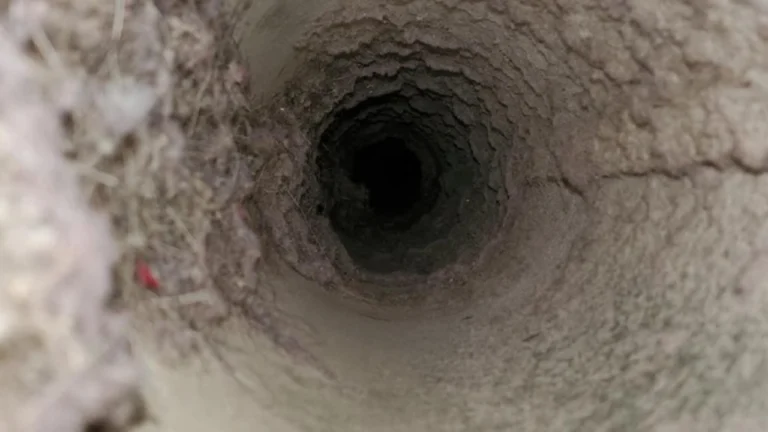
Creosote is the tar-like residue that condenses on the inside of your flue when wood smoke cools, and it is flammable. It is the reason chimney sweeping exists as a trade. Enough of it in a hot flue, and you have a chimney fire.
It shows up in three stages, and each one is harder to remove than the last:
– Stage one: Loose, flaky soot. Brushes out easily during a normal sweep.
– Stage two: Hardened, crunchy flakes. Needs rotary tools and more time.
– Stage three: A shiny black glaze coating the flue. Highly flammable, and it usually calls for chemical treatment or a specialized removal process.
Burning unseasoned wood, damping the fire down overnight, and running an oversized or undersized flue all speed the process up. If we find stage three glaze in your chimney, we will show you the camera footage and walk you through what removal involves before anything gets scheduled.
Call for a sweep when smoke backs up into the room, when you smell a strong campfire or tar odor near the fireplace, or when you see black buildup on the damper and firebox walls. Other warning signs include:
Fires that are hard to start or will not stay lit.
A smoky odor that worsens on humid Maryland days or when the A/C runs.
Debris, nesting material, scratching sounds, or bits of mortar falling into the firebox.
Dark moisture stains spreading on the wall or ceiling around the chimney chase.
You recently bought the house and do not know when it was last cleaned.
Safety Warning: If you have heard a loud rumbling or roaring sound coming from the chimney, stop using the fireplace immediately and call us. That can indicate a chimney fire has already occurred, and the flue must be inspected before your next burn.
Creosote is the flammable, tar-like residue that condenses inside your flue when wood smoke cools. Burning unseasoned wood or damping fires down overnight accelerates buildup through three stages:
Stage 1: Loose, flaky soot that brushes out easily during a routine sweep.
Stage 2: Hardened, crunchy flakes requiring rotary cleaning tools.
Stage 3: A shiny, tar-like black glaze coating the flue. This stage is highly flammable and requires specialized removal—if we spot it on our camera, we will show you the footage before scheduling treatment.
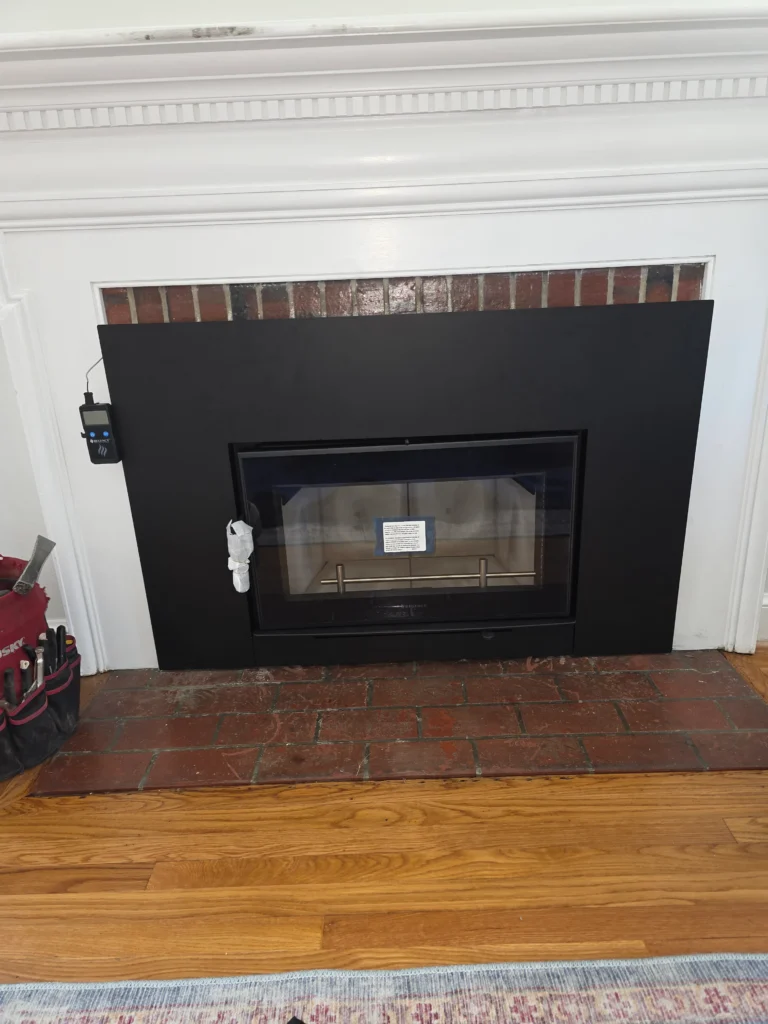
We clean open masonry fireplaces, prefabricated factory-built fireplaces, and fireplace inserts. Each one is swept differently, and the difference matters.
– Open masonry fireplaces. Full flue, smoke chamber, shelf, and firebox sweep, plus a check of the damper and the firebrick.
– Factory-built fireplaces. Swept with tools that will not damage the metal components, and checked against the manufacturer’s clearances.
– Fireplace inserts. Pulled and swept where access requires it, including the connector pipe and the liner running to the top.
Inserts are the ones homeowners most often skip, because the unit looks sealed and clean from the front. The liner behind it still fills with creosote at the same rate.
Yes. Gas and oil appliances vent into a chimney the same as a fireplace, and that flue needs annual attention even though it produces far less visible soot.
Oil heat leaves a fine, acidic soot that eats at masonry and liner over time. Gas produces water vapor that condenses inside a cold or oversized flue and breaks down mortar and clay tile from the inside. Either way, a blocked or deteriorated furnace flue is a carbon monoxide risk, not just an efficiency problem.
We sweep the flue, clear any blockage, and check the liner and connector for damage before the heating season starts.
We are a family-owned chimney company based at 84 Yorkway in Dundalk, and we work in the neighborhoods we live in. Our team members are Certified Chimney Professionals and members of the National Chimney Sweep Guild, and we carry Maryland Home Improvement Commission license #151408.
What that looks like on a job:
Our name reflects how we work. Clean, safe, anointed. We are spreading God’s love one chimney at a time, and that shows up as honest work at a fair price, in your home, treated with respect.
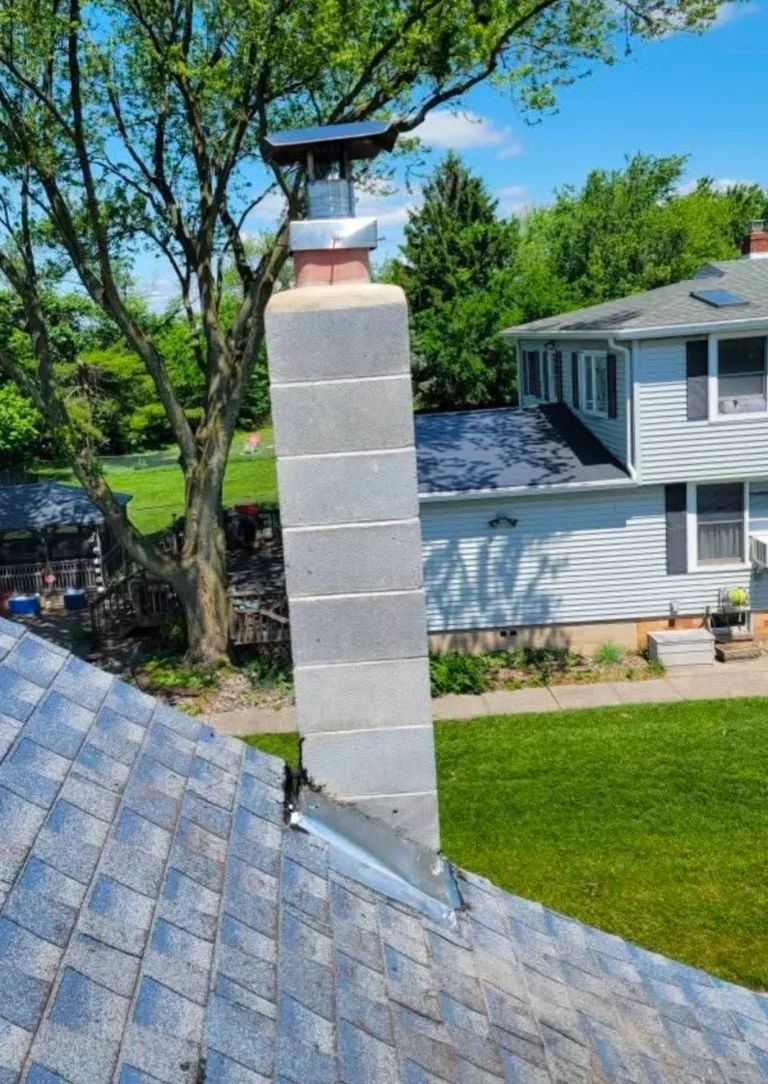
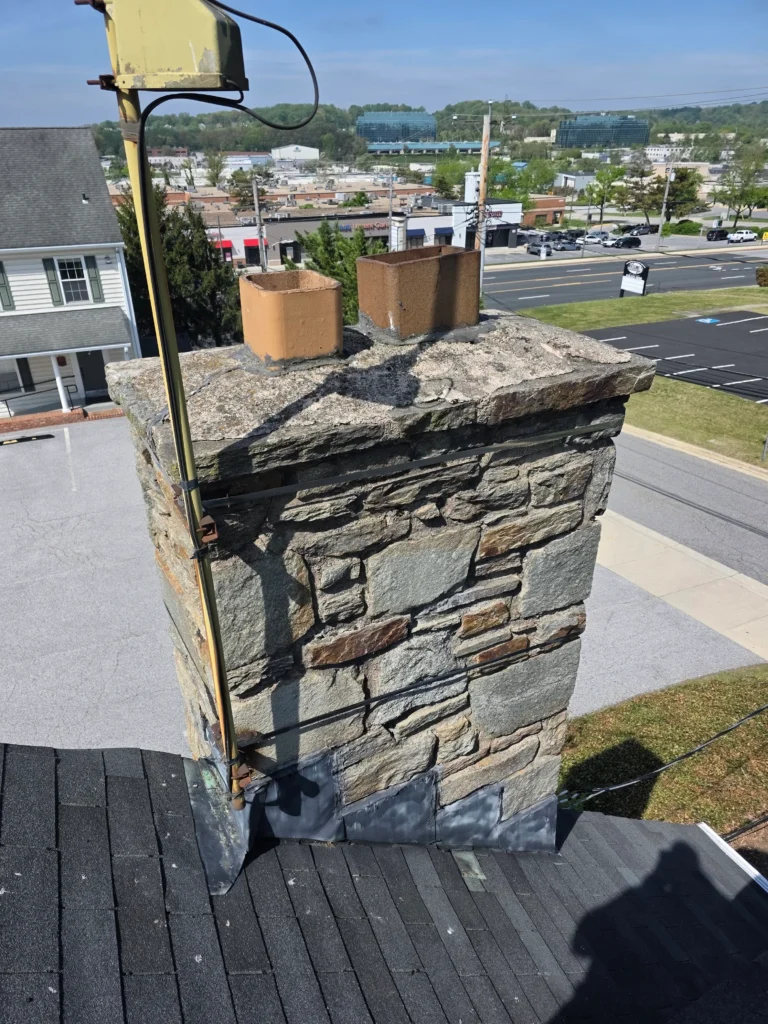
Our home base is Dundalk, Maryland, and we sweep chimneys throughout Baltimore City, Baltimore County, and the surrounding communities.
Common service areas: Dundalk, Baltimore, Essex, Rosedale, Glen Burnie, Middle River, and the surrounding Maryland communities.
Maryland weather is hard on a chimney. Freeze and thaw cycles open mortar joints, humid summers pull moisture into masonry, and coastal wind drives rain straight at the flashing. Sweeping the flue each year is also the appointment where that damage gets caught early, while it is still a repair instead of a rebuild.
Not sure if you are in range? Call (443) 586-5130 and we will tell you straight.
A standard chimney sweep takes about an hour for a single flue in normal condition. Heavy creosote buildup, multiple flues, or a chimney that has not been cleaned in many years can take two to three hours.
It should not be. We lay drop cloths over the hearth and floor and run a sealed HEPA vacuum at the fireplace opening for the entire cleaning, so the soot goes into the vacuum instead of into the room. We leave the hearth cleaner than we found it.
Do not burn a fire for at least 24 hours before we arrive so the flue is cool, and clear a path to the fireplace. That is all. We bring everything else.
Store-bought brush kits can remove some loose soot, but they will not reach the smoke chamber or shelf, they will not remove glazed creosote, and they will not tell you whether your liner is cracked. The inspection is the part that keeps the house safe, and that takes a camera and a trained eye.
The signs include puffy or honeycombed creosote, cracked or discolored flue tiles, a warped damper, and pieces of creosote or masonry in the firebox. Many chimney fires burn out on their own without the homeowner knowing. If you suspect one, stop using the fireplace and have the chimney inspected before your next fire.
Yes, and those are the ones we most want to see before the first fire. An unused chimney collects nests, debris, and moisture damage, and old creosote hardens into a glaze that is far more flammable than fresh soot. We sweep it, inspect it, and tell you whether it is safe to burn.
Get the flue cleaned, get eyes on the whole system, and go into the burning season knowing where you stand. Free estimates, certified professionals, and no mess left behind.
Call (443) 586-5130 or schedule online.
Ready to Get Started?
Tell us what’s going on with your chimney, fireplace, stove, or venting system. Our certified chimney professionals will help you find the right solution to keep your home safe, comfortable, and ready to enjoy.